Home › Tuckpointing and Repointing
We provide careful tuckpointing in Seattle, WA to stop water from entering your brickwork. Our masons remove weak mortar, match color and profile, then pack in new joints for a seamless look. Restore the strength and appearance of your walls, chimney, and masonry features with professional repointing.
Superior Masonry Seattle provides professional tuckpointing throughout Seattle, WA, Washington and the surrounding area. Our licensed, insured crew delivers safe, clean, on-time work with a free estimate before anything begins. Call (425) 270-2577 or request your free quote.
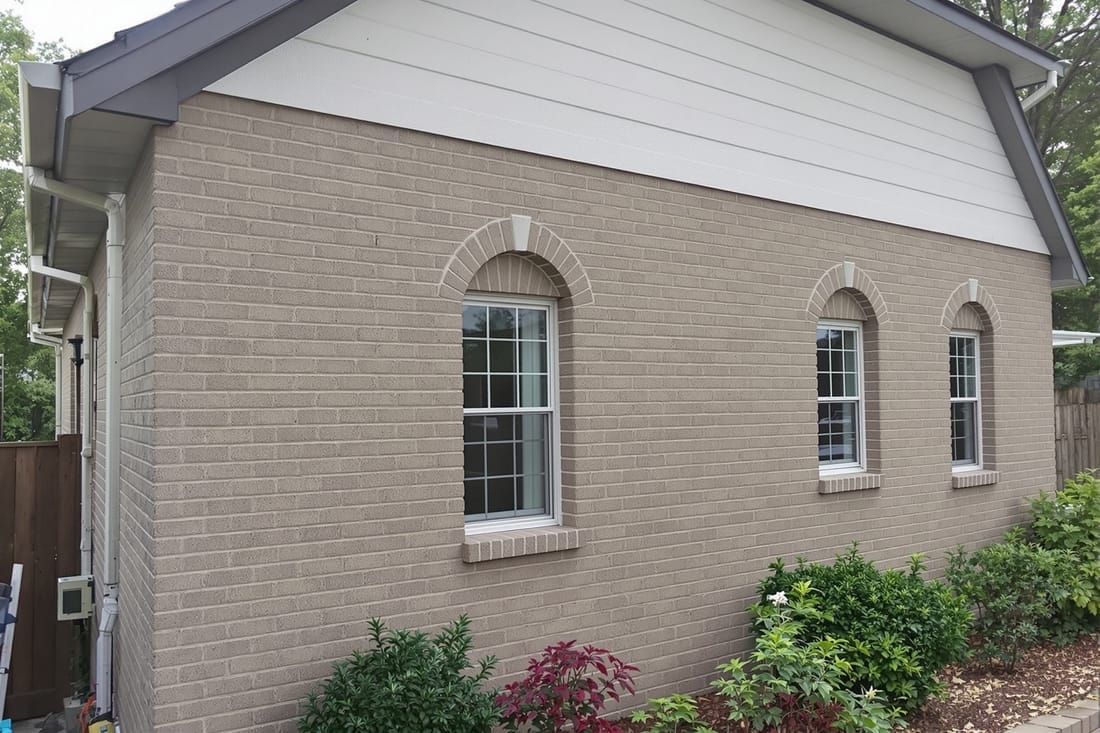
Tuckpointing & Repointing for Seattle Brick Homes and Buildings
If you see crumbling mortar joints, loose bricks, or water stains on your brick walls, tuckpointing or repointing can often save the structure before you need major rebuilds. At Superior Masonry Seattle, we focus on extending the life of existing brick and stone around the city, especially in older Seattle neighborhoods like Ballard, Capitol Hill, Queen Anne, and Beacon Hill.
“Tuckpointing” and “repointing” are related but slightly different. Repointing is the process of removing failing mortar and packing in new mortar so the wall is structurally sound again. Tuckpointing is a more detailed version that combines a base mortar color that matches your brick with a second, contrasting “tuck” line to give the joints a sharp, crisp look. In many Seattle projects we combine both, first restoring the structural joints, then adding aesthetic tuck lines if the client wants a traditional or historic look.
Seattle’s wet climate accelerates mortar decay. Water seeps into hairline cracks in the joints, then our winter freeze-thaw cycles slowly pop mortar off the face of the wall. Left alone, that can lead to spalling bricks, chimney leaks, interior water damage, and even loose masonry above windows or doors. Tuckpointing and repointing gives that water a solid, tight boundary again so your brickwork can keep doing its job instead of soaking up moisture.
Superior Masonry Seattle tailors every tuckpointing job to the age and style of your building. A 1920s brick Craftsman in Wallingford, a mid-century chimney in West Seattle, and a newer commercial facade in SoDo all need different mortar blends and joint profiles. Our goal is always the same though: restore structural integrity, improve weather resistance, and keep the original character of your masonry intact instead of covering it or replacing it unnecessarily.
How Our Tuckpointing Process Works, Step by Step
We follow a detailed process so your tuckpointing or repointing work in Seattle looks right and lasts in this climate, not just for a season or two.
1. Inspection and moisture check: We start by walking the entire area with you. We look for loose or hollow-sounding mortar, efflorescence (white salt deposits), hairline cracking, and any areas where water is getting in, like chimney caps, window sills, or parapet walls. If needed, we use moisture meters around interior-facing walls to see if leaks are active or old.
2. Mortar analysis and color matching: On older Seattle brick, especially pre-World War II homes, the original mortar is often lime-rich and softer than modern cement mortars. Simply using a bagged store mix can damage the brick. We test small mortar samples, check hardness by hand and tool, and then design a mix with the right sand, cement, and lime ratios. We also blend sand colors so the finished joints blend in instead of looking like bright white stripes.
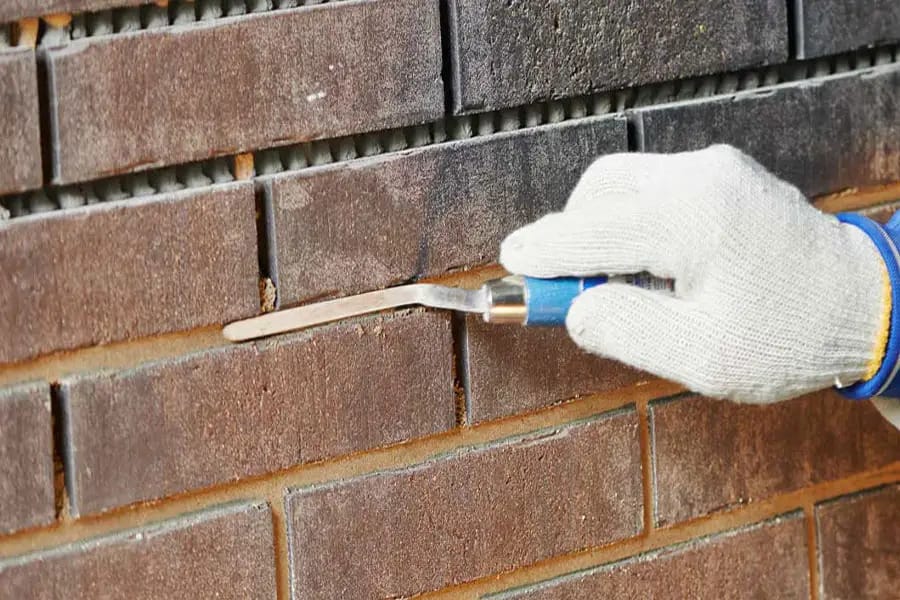
3. Joint preparation: Proper mortar removal is critical. We use grinders with dust control, chisels, or raking tools to remove failing mortar to the correct depth, usually at least twice the width of the joint. We are careful not to widen the joints or chip the brick edges. This step takes time, but sloppy removal is one of the main reasons cheap tuckpointing jobs fail early.
4. Cleaning and pre-wetting: After raking, we brush and blow out the joints, then sometimes rinse them to clear out dust and salts. Before applying new mortar we lightly dampen the joints. In Seattle’s climate this helps the fresh mortar cure slowly and bond well instead of drying too fast on a warm, breezy day.
5. Packing and tooling the joints: We hand-pack or gun-in new mortar in layers, making sure there are no hidden voids behind the face. Once the mortar firms up we tool it to match the original joint profile: concave, flush, weathered, or raked joints are all common around Seattle. For tuckpointing, we first install a base mortar that closely matches the brick, then add a fine, contrasting line in the center of the joint for that crisp, decorative effect.
6. Final cleanup and curing: We clean off residue with soft brushes or mild washing methods suitable for your brick type, then allow the wall to cure. On larger projects we often work in sections so there is minimal disruption and you can see the progress as we go. We then walk the completed work with you so you can compare before and after and know exactly what was done.
Typical Seattle Masonry Problems Tuckpointing Can Fix
Most of our tuckpointing calls in Seattle start with something small that a homeowner or property manager notices and wisely does not ignore. Here are common problems where tuckpointing or repointing is usually the right solution.
Chimney leaks and staining: On Seattle chimneys, we frequently see vertical cracks in the joints above the roofline and deteriorated mortar on the crown and shoulders. This lets water travel down inside, then show up as staining on bedroom ceilings or around fireplaces. Repointing the chimney joints, re-bedding loose bricks, and addressing the crown or cap usually stops the leak without having to rebuild the whole stack.
Spalling brick on exterior walls: When mortar fails, water sits behind the face of the brick. Over winter, repeated freezing causes the brick faces to pop or flake. If caught early, we can repoint the joints, replace only the worst damaged bricks with carefully matched units, and stop further damage. Waiting too long can mean full wall rebuilds instead of localized repairs.
Gaps around windows and doors: Older Seattle buildings often settle slightly, opening hairline gaps around window and door lintels. These gaps can become water entry points and drafts. Tuckpointing strengthens these joints and can prevent rusting steel lintels and cracking drywall or plaster inside.
Historic facade maintenance: In neighborhoods like Pioneer Square or older mixed-use blocks, the appearance of the brickwork matters to both owners and the community. We use tuckpointing with carefully matched mortar colors and joint profiles to keep those facades true to their original style instead of patchy and obviously repaired.
Interior moisture and musty smells: Sometimes the first hint of mortar trouble is inside, such as peeling paint, musty smells along exterior walls, or damp basement corners. In those cases, we often find failing joints near grade, clogged weep holes, or deteriorated foundation parging. Repointing those exterior joints and improving drainage can solve the problem at the source instead of just repainting interior walls every year.
What Affects Tuckpointing Cost in Seattle
We are straightforward about pricing at Superior Masonry Seattle, and we want you to understand what drives the cost of tuckpointing or repointing a wall, chimney, or facade.
1. Extent and depth of damage: If only the outer 1/4 inch of mortar is loose in limited areas, the job will cost less than a wall where joints are deeply eroded and bricks are loose. Severely deteriorated joints require more grinding, cleaning, and multiple passes of new mortar.
2. Accessibility and height: Chimneys above steep Seattle roofs, parapet walls, and upper-story facades require scaffolding or lifts, fall protection, and more setup time. Ground-level garden walls and walkways are usually the most economical to repair because we can work safely from the ground or short platforms.
3. Historic or custom mortar matching: Older homes may need custom-blended mortars with specific sand gradations and pigments to match existing joints. That extra lab and test work adds cost upfront but preserves the look and avoids having to redo mismatched work later.
4. Tuckpointing detail level: Structural repointing alone is more budget-friendly. True tuckpointing, where we create contrasting fine lines to mimic very tight joints, requires more skilled labor, especially on detailed facades or decorative bands. We will show you examples so you can decide how much aesthetic detailing you want versus purely functional repair.
5. Weather timing and protection: In Seattle, we sometimes need to tent and heat smaller areas to keep mortar within the right temperature range during cold or very wet spells. That protection ensures proper curing but also adds to the setup time and materials. When possible, we plan work in favorable windows and sequence walls to reduce weather-related costs.
Before we quote a price, we always inspect on-site, talk through what is essential for safety and water resistance, and what is optional or purely cosmetic. Then you get a written estimate that clearly separates these pieces so you can prioritize based on your budget and long term plans for the property.
Why Seattle Homeowners Trust Superior Masonry Seattle for Tuckpointing
Tuckpointing and repointing looks simple from the sidewalk, but long lasting results depend on craftsmanship and on understanding how masonry behaves in Seattle’s damp, cool environment. At Superior Masonry Seattle, all of our tuckpointing techs are trained to respect original materials, not just smear over problems with modern mortar.
We pay particular attention to using mortar that is compatible with your brick or stone. A mix that is too hard can cause the edges of older bricks to crack and fail by forcing the brick to absorb more movement and moisture. A mix that is too soft washes out quickly in our heavy fall and winter rains. By carefully balancing lime, cement, and sand, we create joints that are strong but still flexible enough to move with the wall and shed water correctly.
Communication is another focus. During your project we explain what we find, where we recommend repointing versus full brick replacement, and where preventive work like sealing the top of a parapet or improving a chimney cap will add real value. Many clients choose to combine needed tuckpointing with small upgrades such as adding flashing at a vulnerable joint or improving drainage at the base of a wall to reduce future maintenance.
If you are unsure whether your masonry needs attention yet, we are happy to give an honest assessment. Sometimes a wall only needs limited spot repointing and monitoring, not a full restoration. Other times it is more cost effective to address a whole elevation while scaffolding is already in place. We walk you through those options so your decision is based on facts, not pressure.
If you are seeing cracks, crumbling joints, or water issues around your brickwork, reach out to Superior Masonry Seattle for a tuckpointing evaluation. We will inspect the masonry, explain what is happening in plain language, and give you a clear plan to restore the strength and appearance of your brick or stone in a way that makes sense for Seattle’s weather and for your budget.