Home › Concrete and Block Masonry
We provide block masonry in Seattle, WA for foundations, retaining walls, garages, and more. Our crew lays CMU walls square and plumb, reinforcing and grouting where needed for structural strength. Get reliable concrete and block work that forms the backbone of your project.
Superior Masonry Seattle provides professional block masonry throughout Seattle, WA, Washington and the surrounding area. Our licensed, insured crew delivers safe, clean, on-time work with a free estimate before anything begins. Call (425) 270-2577 or request your free quote.
Concrete and block masonry tailored to Seattle properties
Concrete and block masonry is the backbone of many Seattle homes and commercial buildings, from daylight basement walls in Ballard to retaining walls in West Seattle. At Superior Masonry Seattle, we focus on building structural elements that stand up to rain, freeze-thaw cycles, and the occasional ground movement our region is known for.
When you call us about block masonry, we start by walking your property and looking at drainage, soil conditions, nearby trees, and existing structures. A retaining wall on a steep Queen Anne hillside needs different engineering than a simple block garden wall in Beacon Hill. We talk through how the wall or structure will be used, what kind of loads it will carry, and whether it will be exposed to vehicle traffic, saturated soil, or just light landscaping.
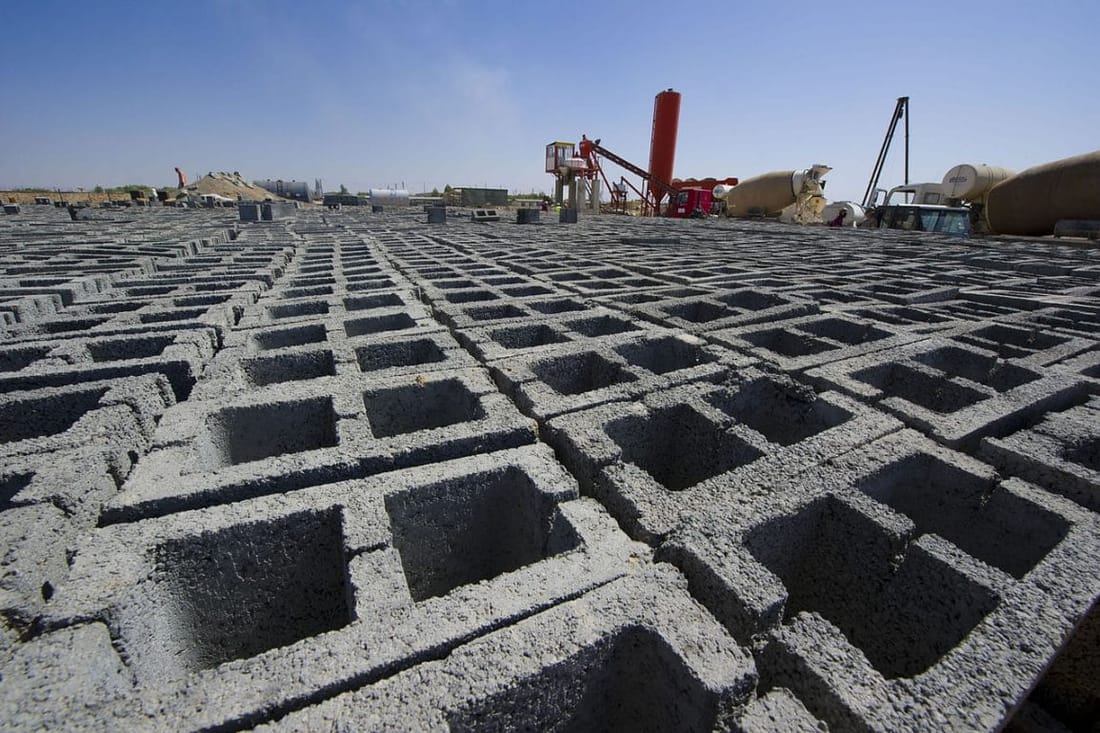
From there, we help you choose between standard concrete block, architectural block, or poured-in-place concrete, depending on budget and appearance goals. Seattle clients often choose split-face or colored block for visible surfaces, and standard gray structural block where it will be backfilled or hidden. Our role is to balance cost, appearance, and long-term performance so you get the right solution rather than the most expensive one.
How we build durable block masonry in our Seattle climate
Getting concrete and block masonry right in Seattle starts long before the first block is set. We begin with excavation and a stable base. For retaining walls, that means digging to the required depth, over-excavating for drainage stone, and verifying the subgrade is not soft or organic soil. If we hit fill dirt or saturated pockets, we remove and replace with compacted crushed rock so the wall does not settle unevenly.
Next comes forming and pouring the concrete footing. Footing size depends on wall height, soil type, and any engineering requirements, but in this region we also pay attention to frost depth and drainage. We place rebar according to plan, set formwork so it is level, then pour concrete using mixes appropriate for the season. In colder months we schedule pours for mid-day, use accelerators when needed, and sometimes insulate the fresh concrete so it cures properly.
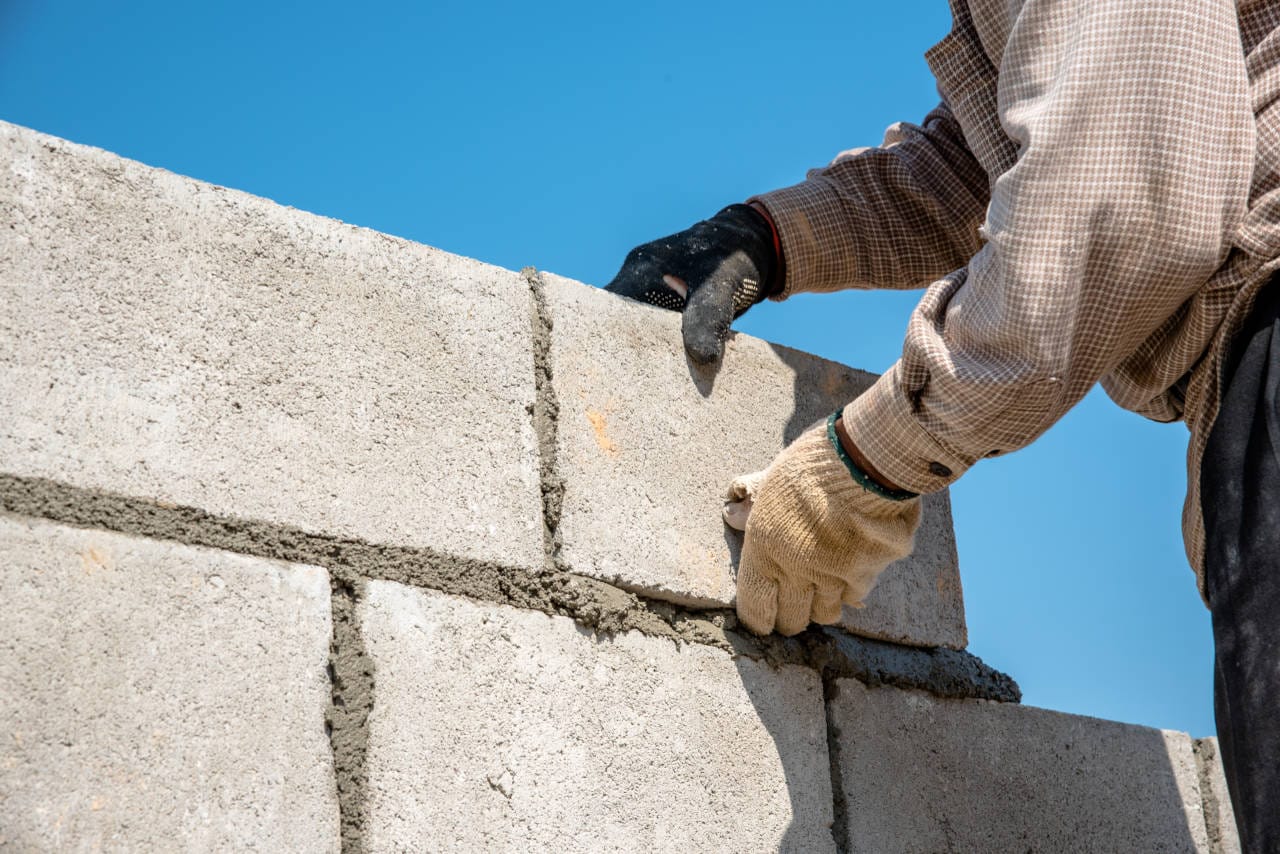
Once the footing has gained strength, we snap layout lines, dry lay the first course of block, then set each block in mortar, checking level and plumb continuously. Vertical and horizontal rebar is threaded through block cores where specified, then the cores are grouted solid. On taller or retaining walls, we grout in lifts to avoid blowouts, using mechanical vibration or rodding to eliminate voids. This reinforcement and careful grouting are what allow block walls to perform for decades in Seattle’s wet and sometimes unstable soils.
Throughout the build, we protect fresh masonry from rain. Depending on the forecast, that might mean temporary canopies, plastic sheeting, or adjusting our daily schedule so we are setting block when surfaces are dry and temperatures are stable.
Concrete options, finishes, and design choices
Concrete and block masonry does not have to be plain gray. Many of our Seattle clients want structure and aesthetics combined, especially on front-facing walls, stairs, and outdoor living areas. Superior Masonry Seattle gives you options that are realistic for our climate and your maintenance preferences.
For block masonry walls, you can choose from standard smooth block, split-face textures, scored patterns that mimic larger stone, and integrally colored units that do not rely solely on surface paint. We can cap walls with precast concrete caps, natural stone, or custom-formed concrete. On retaining walls that support patios or driveways, we often integrate recessed lighting conduits and sleeves for railing posts so you do not need to drill the wall later.
For poured concrete elements, such as foundation walls, stem walls, and stairs, we can use smooth forms for a clean modern look or board-formed techniques that leave a wood-grain pattern in the concrete. Exposed flatwork, like landings at the bottom of block steps or concrete aprons next to block planters, can be broom finished for slip resistance, lightly exposed aggregate for more texture, or seed mixes with specific decorative stone.
In Seattle’s shaded yards and damp conditions, we recommend finishes and sealers that resist moss and algae growth. We explain how each option behaves when wet, how often it should be resealed, and how it will look after several winters, so you are choosing with eyes open instead of just picking from a photo gallery.
What affects the cost of block masonry in Seattle
Block masonry pricing in Seattle is heavily influenced by access, engineering, and site conditions. A straightforward block wall in an open backyard in Shoreline will cost less per foot than a similar wall in a tight Capitol Hill alley that requires hand-hauling materials and debris. During our estimate, we look closely at where trucks can park, whether we can use small equipment, and how far materials need to be moved.
Wall height and structural requirements are the next big cost drivers. Taller retaining walls typically require engineering, more reinforcement, thicker footings, and more extensive drainage systems. On sloped Seattle lots, we might recommend stepping the wall into terraces rather than building one tall structure, which can improve stability and sometimes reduce engineering and permitting costs.
Soil type also matters. Glacial till can provide a strong base, while loose fill or very wet pockets may require over-excavation and additional rock. In older neighborhoods, we sometimes encounter buried rubble or abandoned concrete that must be broken and removed before we can build, and we include that possibility in our discussion so there are fewer surprises.
Lastly, finish choices affect cost. Architectural block, colored block, and custom caps add to material costs but may eliminate the need for later cladding. We always provide line-item estimates that separate structural essentials from aesthetic upgrades so you can decide where you want to invest.
Common concrete and block masonry problems we solve
Seattle’s combination of heavy rain and varied soils creates predictable issues in older concrete and block masonry that we are often called to repair or replace. Horizontal cracks and bulging in older basement walls usually signal long-term soil pressure and inadequate drainage. In these cases, we assess whether carbon fiber reinforcement, added interior framing, or full replacement is the safest and most cost-effective solution.
Retaining walls built decades ago without proper drain rock or perforated pipe often lean or develop stair-step cracks. Our crews carefully dismantle or shore failing sections, install new footing and drainage systems, then rebuild with reinforced block and geogrid if the design calls for it. We pay equal attention to surface water, adding catch basins or re-grading where needed so the new wall does not inherit the old wall’s problems.
Spalling concrete and exposed rebar are common on exterior stairs and landings that have seen years of winter de-icers and ponding water. Depending on the damage, we may grind and patch localized areas, add overlays with proper slope to shed water, or replace the structure entirely. In all cases, we aim to leave you with a concrete or block element that is stronger than the original and better suited to Seattle’s wet winters and mild but damp summers.
We are honest about when repair is appropriate and when full replacement is the smarter long-term investment, especially for structures that support living space or hold back significant soil loads.
Planning and timing your project with Superior Masonry Seattle
Good results with concrete and block masonry come from good planning. During our initial visit, we discuss how you use your property, any future projects you are considering, and whether there are permitting or engineering triggers for your specific location in Seattle or nearby cities. For taller retaining walls or anything that supports a structure, we coordinate with licensed engineers and, when required, help you navigate city permitting.
Scheduling is another factor. In this region, late spring through early fall usually gives the best window for concrete and block work, since temperatures are more stable and there is less prolonged rainfall. However, Superior Masonry Seattle works year-round, adjusting mix designs, using weather protection, and sequencing tasks so that cold or wet conditions do not compromise the final product. We will be transparent about any seasonal limitations and what they mean for your timeline.
Before work begins, we provide a written scope that covers excavation limits, drainage components, reinforcement details, and finish expectations. You will know where materials will be stored, how we will protect neighboring landscaping, and what level of daily site cleanup to expect. Throughout the project, we keep communication clear so you always know what is happening and what the next steps are.
When the work is done, we walk you through the finished concrete and block masonry, explain any maintenance recommendations, and answer questions about what to watch for over time. Our goal is that your new structure not only looks solid on day one but continues to serve your Seattle property safely and reliably for decades.