Home › Foundation and Basement Masonry
We perform masonry foundation repair in Seattle, WA for block and stone basements that are cracking or bowing. Our solutions include reinforcement, rebuilding sections, and improving drainage to reduce pressure. Protect your home structure and keep your basement dry with targeted masonry repairs.
Superior Masonry Seattle provides professional masonry foundation repair throughout Seattle, WA, Washington and the surrounding area. Our licensed, insured crew delivers safe, clean, on-time work with a free estimate before anything begins. Call (425) 270-2577 or request your free quote.
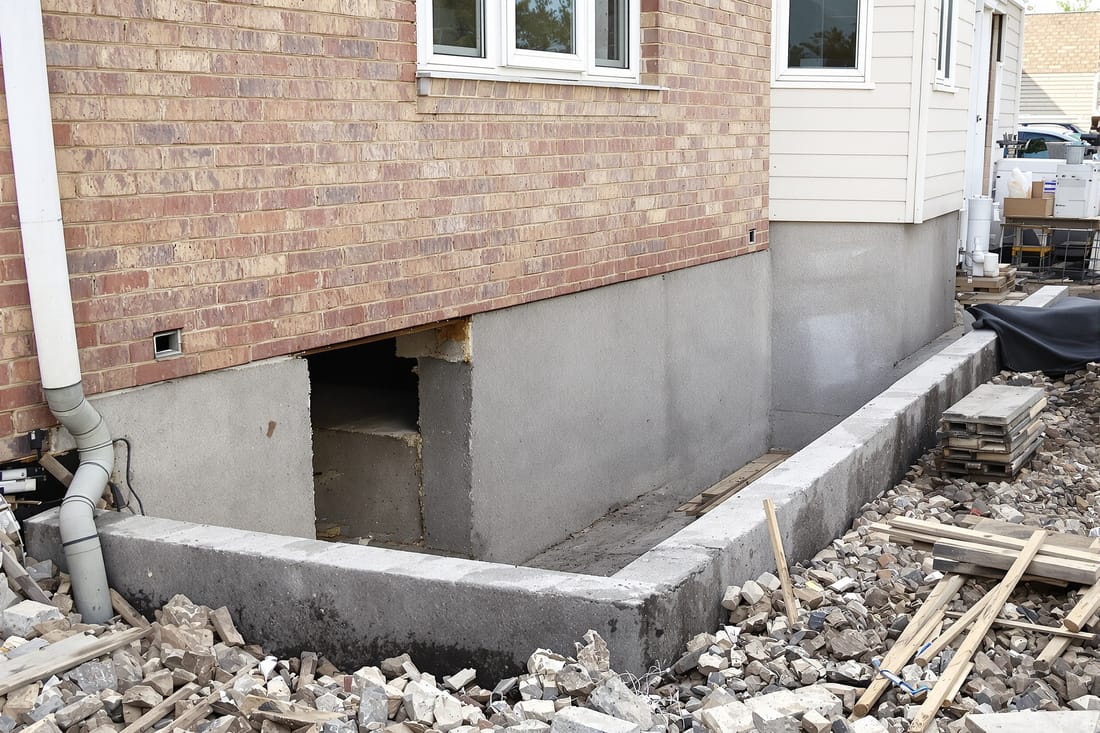
Foundation and basement masonry for Seattle homes
Seattle homes deal with a difficult combination of rain, moisture, and shifting soils, so foundation and basement masonry is not something to leave to guesswork. At Superior Masonry Seattle, we focus on keeping your basement dry, your walls stable, and your structure supported so you can stop worrying about cracks and leaks.
When you call us for masonry foundation repair, we start with a detailed visual inspection of both the interior and exterior. We look at crack patterns in your basement walls, any bowing or bulging, efflorescence (white mineral deposits), moisture staining, and gaps at floor or ceiling lines. Outside, we check grading, downspouts, exposed footings, and any previous patchwork. If needed, we recommend a structural engineer for load‑bearing concerns, and we are used to working with Seattle engineers and city inspectors.
Because a lot of Seattle foundations were built in the 1900s to 1960s, we regularly see unreinforced concrete, stacked stone, or brick basement walls that are now dealing with decades of water pressure. Our job is to match the repair method to the exact problem, not just smear on hydraulic cement and call it done. We explain why each repair is necessary and what you can expect the wall to look and perform like afterward.
How we diagnose and repair foundation cracks, leaks, and movement
Most of the work for a masonry foundation repair happens before we ever mix mortar. We map each crack and measure any wall movement so we can tell the difference between cosmetic shrinkage cracks, settlement issues, and active structural movement. Horizontal cracks, stair‑step cracks in block or brick, and long vertical cracks that widen at the top or bottom each point to different stresses.
For non‑structural cracks that let water in, we typically clean out the crack, chase it slightly wider to get sound material, and fill it with a flexible injection material or cementitious repair mix, then address the water source outside. For structural cracks, especially in older block or brick, we may cut out damaged masonry units, rebuild the affected area with new block or brick, and sometimes add internal reinforcement such as rebar and grout‑filled cores.
If your basement wall is bowing inward from soil pressure, we consider several reinforcement options. Depending on access and budget, we might install carbon fiber straps epoxied and mechanically anchored to the wall, interior steel H‑beams, or in severe cases partial wall rebuilds. For brick or stone foundations with bulging sections, we often use a combination of rebuild and anchoring to tie the wall back into the floor system.
For ongoing water intrusion, interior solutions like drainage channels and sump pumps can help, but we focus heavily on the masonry itself. That includes properly repointing joints, repairing honeycombed concrete, and sealing tie‑rod holes, then coordinating with drainage contractors if you need perimeter drains. Our goal is to leave you with a foundation that is both structurally sound and much more resistant to the water Seattle is known for.
Exterior foundation work, excavation, and waterproofing in Seattle conditions
Many lasting foundation repairs require access from the outside. At Superior Masonry Seattle, we plan exterior work carefully to protect landscaping and stay in line with Seattle regulations. Before we dig, we call in utility locates so gas, water, power, and communication lines are marked. In tighter Seattle neighborhoods, we also look at property lines to make sure work stays on your side, and we discuss access routes so you know what yard areas will be disturbed.
Once we excavate down to the footing, we can fully inspect the foundation wall below grade. We look for deteriorated mortar joints, crumbling concrete, poorly sealed cold joints, and any old tar or membrane that has failed. Repairs might include grinding and repointing masonry, resurfacing spalled concrete with repair mortar, and smoothing the wall so new waterproofing adheres properly.
For waterproofing, we typically install a modern membrane system designed for below‑grade use, not just brush‑on coatings. This may include a liquid‑applied or sheet membrane, protection board, and drainage mat that channels water down to perimeter drain tile. In the Seattle area, proper drainage is critical because saturated clay soils can hold water against your foundation for long periods. Where needed, we slope soil away from the house and may recommend extensions for downspouts.
We backfill carefully in thin lifts to limit pressure on repaired walls and use appropriate compaction, especially near driveways or walkways. If your home is near a steep slope, we take extra care with excavation depth and may suggest engineering input, since Seattle hillside properties have additional geotechnical considerations and possible permitting triggers.
Seattle‑specific factors that affect cost, timing, and permits
Customers often ask why one masonry foundation repair bid is higher than another, and in Seattle there are some very specific drivers of cost and timing. Access is a big factor. Homes with narrow side yards, steep driveways, or no alley access may require more hand excavation or smaller equipment, which adds labor time. Older homes in neighborhoods like Ballard, Capitol Hill, or West Seattle may have fragile landscaping or original concrete paths that need protection or careful removal and replacement.
The type of foundation material also affects cost. Repairing unreinforced stone or brick requires more hand work and matching of materials, while concrete block repairs may need reinforcement and grouting. If we are tying new masonry into old, we use mechanical anchors, dowels, and bonding agents, and this detailed connection work can add time but is important for long‑term stability.
Permitting comes into play when structural changes occur. Many straightforward crack repairs and small interior patch jobs do not require a permit, but larger structural corrections, underpinning, major wall rebuilds, and new egress openings usually do. We are familiar with City of Seattle permitting basics and can coordinate with your designer or engineer. In some cases, loads need to be reviewed, especially for multi‑story structures or when adding interior support columns.
Weather timing matters as well. Because Seattle winters are wet and cool, some exterior concrete or masonry work is better scheduled during drier windows, or we plan temporary protection and heating. We explain how seasonality might affect your project so you can choose between faster scheduling or optimal conditions for materials. Our estimates break down labor, materials, and any specialty items so you understand exactly what you are paying for and where there might be options to phase the work.
What to expect when you hire Superior Masonry Seattle
Our goal is to make a stressful issue like foundation or basement problems feel straightforward. When you contact Superior Masonry Seattle, we start with questions about what you see and when it happens. Do cracks get damp only during heavy rain. Has a door recently gone out of alignment. Are there musty odors or visible mold on basement walls. This helps us prioritize whether you have mainly a water entry issue, a structural concern, or both.
At the on‑site visit, we walk the interior and exterior with you, take photos, and explain what we are seeing in plain language. If repairs are minor, we tell you that, and if we see something that warrants an engineer or further investigation, we are honest about that too. We then provide a written proposal that outlines repair steps in sequence, the materials we plan to use, any recommended coordination with plumbers or drainage contractors, and what parts of the home or yard will be temporarily affected.
During the job, we protect interior spaces with plastic sheeting and floor coverings, and we keep the work area as tidy as the conditions allow. For interior basement work, we use dust control whenever cutting or grinding masonry. For exterior work, we plan staging areas for soil and materials so your property is still usable where possible.
After repairs are complete, we walk you through what was done and point out any maintenance steps, such as keeping gutters clear, maintaining proper yard slope, and watching specific areas for future changes. We can also provide before‑and‑after photos for your records or for future real estate disclosures. Our focus is on solutions that make sense for Seattle conditions and for the long life of your home, not quick fixes that will fail with the next big storm.