Home › Commercial Brick Veneer Systems
We install commercial brick veneer in Seattle, WA on structural framing and backup walls. Our crews understand anchors, control joints, and flashing layouts that keep facades dry and stable. Get a clean brick appearance with a properly detailed veneer system that performs for decades.
Superior Masonry Seattle provides professional commercial brick veneer throughout Seattle, WA, Washington and the surrounding area. Our licensed, insured crew delivers safe, clean, on-time work with a free estimate before anything begins. Call (425) 270-2577 or request your free quote.
Commercial Brick Veneer Systems for Seattle Businesses
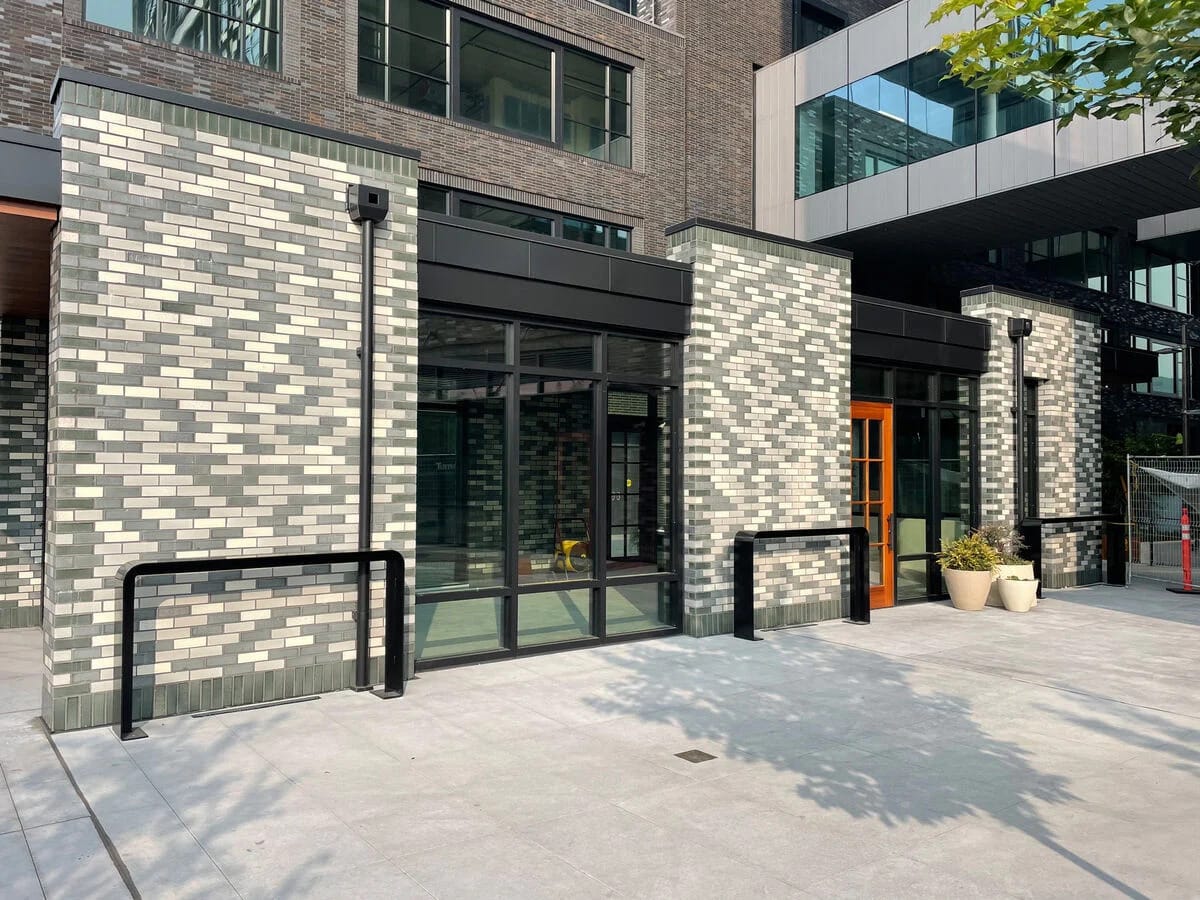
Commercial brick veneer gives Seattle storefronts, offices, and multifamily buildings the look and durability of full brick without the structural weight or cost. At Superior Masonry Seattle, we focus specifically on commercial brick veneer systems that stand up to Puget Sound weather, meet local building codes, and still look sharp years down the road.
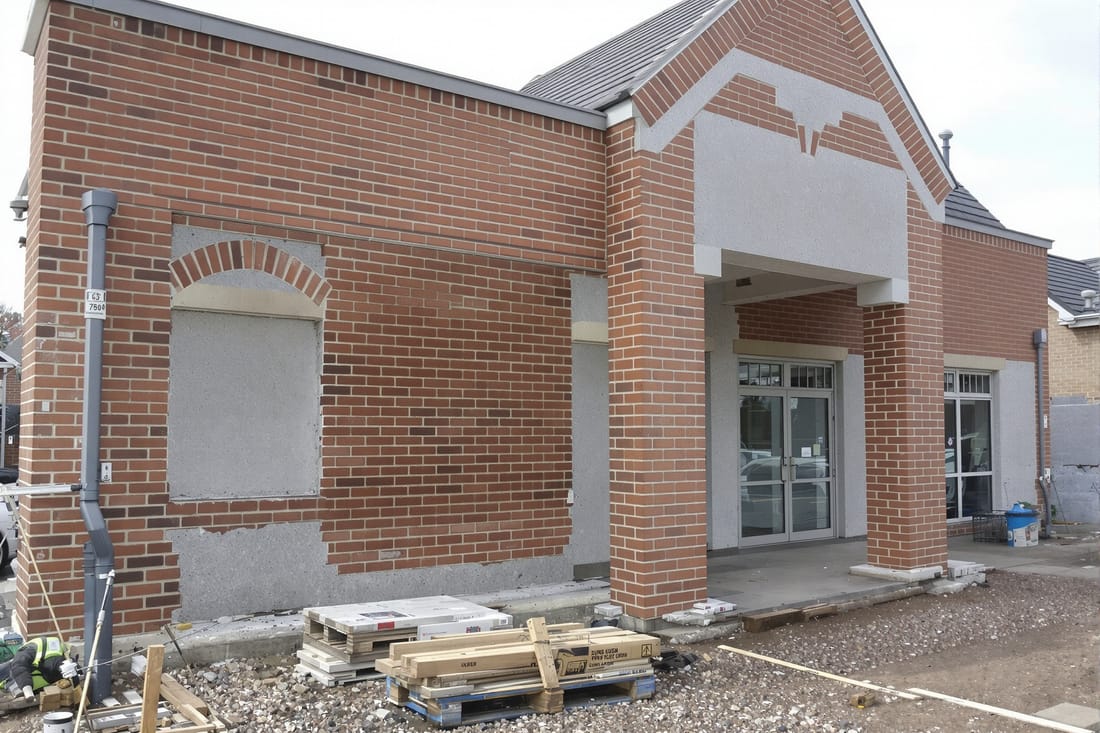
For most property owners and GC teams, the main goal is to get a premium brick appearance that works with existing structural framing, often steel or wood, without redesigning the whole building. Brick veneer is a non structural cladding, so it hangs off the building rather than supporting it. That affects how we design anchors, flashing, and joint details, and it is where a lot of long term performance issues are won or lost.
Seattle brings some specific challenges to commercial brick veneer. Constant rain, frequent freeze thaw cycles in surrounding areas, and wind driven moisture off Elliott Bay can all push water into weak points in the system. We design and install veneers with that in mind, using drainage cavities, weep systems, and robust air and water barriers so your walls can dry out instead of trapping moisture. Whether we are matching historic brick in Pioneer Square or installing a modern panelized veneer in South Lake Union, the approach is tailored to Seattle conditions, not pulled out of a generic spec book.
How We Design and Install Commercial Brick Veneer Systems
A solid commercial brick veneer project starts long before the first brick is laid. At Superior Masonry Seattle, our work typically follows a clear sequence that keeps everyone on the same page.
1) Site review and coordination: We meet on site with the owner, architect, or GC to understand the structure we are cladding, whether it is CMU backup, cold formed steel studs, or wood framing. We look at exposure to prevailing wind, existing water management details, and any tricky transitions like where brick meets storefront glazing or fiber cement siding.
2) System selection: For most Seattle projects we are choosing between traditional hand laid brick veneer with an air cavity, anchored thin brick systems with adjustable rails, or larger prefabricated brick veneer panels. Hand laid systems are often best for street level retail or where fine detailing is important. Panelized systems are great for schedule driven multifamily or mid rise office work because they can be craned into place quickly.
3) Backup wall and air barrier: Before brick ever shows up, we confirm that the sheathing, air and water barrier, and insulation are correctly installed. On many Seattle projects this includes fluid applied air barriers or high quality peel and stick membranes at window openings, slab edges, and shelf angles. We coordinate closely with the framing and waterproofing trades here, since a bad air barrier can ruin even the best brick work.
4) Anchors, ties, and shelf angles: Proper support and anchorage is what makes brick veneer safe in a seismic region like Western Washington. We follow engineer stamped details for adjustable veneer anchors or rail systems, shelf angles at floor lines, and control or expansion joints. We check embedment depth into the mortar joints and spacing of ties so the veneer can move slightly during temperature swings and minor seismic activity without cracking excessively.
5) Laying brick and detailing: Once the structure and waterproofing are correct, we start laying brick or installing thin brick units. Joint tooling, color matched mortar, and alignment with adjacent materials all matter for curb appeal. At heads of windows, base of walls, and at parapets we integrate through wall flashing, end dams, and weeps so that any water that gets behind the veneer has an exit path.
6) Final inspection and wash down: At the end, we walk the project with the GC or owner, check joints for completeness, confirm weep locations, and perform a gentle masonry wash down. We avoid harsh cleaners that can damage brick faces or strip protective coatings, which is especially important with some of the lighter and glazed bricks popular in newer Seattle projects.
Material Options, Aesthetic Choices, and System Types
Commercial brick veneer gives you plenty of design freedom, and a big part of our job at Superior Masonry Seattle is translating architectural ideas into a buildable, weather tight system.
Brick types: For local projects we frequently use modular clay brick, oversized Norman units, and thin brick for rail or panel systems. Many architects in Seattle are choosing darker ironspot brick for modern office buildings, or warm reds and browns to blend with older neighborhoods. We help you balance aesthetics with availability so your schedule is realistic.
Mortar and joint styles: Mortar color is one of the simplest ways to change the look of a commercial veneer. A light gray joint reads differently from a near black joint against the same brick. We can do concave, flush, or raked joints depending on the look and exposure. For high exposure locations near the waterfront, we typically recommend a concave joint that sheds water better.
System configurations: On some projects, especially multifamily, we combine full depth brick veneer at the first one or two stories with thin brick on upper levels to reduce weight on the structure. Other projects rely fully on panelized thin brick, which are pre assembled in a factory onto steel or concrete backer panels. Panel systems can significantly reduce installation time on tight downtown sites where crane time is limited.
Detailing and patterns: Commercial facades in Seattle often include accent bands, soldier courses over windows, or projecting brick details that cast shadows. These features can be built into both full depth and thin brick veneer systems, but they need early planning so shelf angles and anchor rails line up correctly. We provide shop drawing input to help align these design moves with actual masonry coursing.
Compatibility with other claddings: Many local buildings combine brick veneer with metal panels, fiber cement, or storefront glazing. The transition joints between these materials are common leak points. We pay particular attention to those details, ensuring proper backer rods, sealants, and coordinated flashing so the entire facade functions as a single moisture managed assembly.
Cost Drivers, Timelines, and Common Seattle Challenges
The cost of commercial brick veneer in Seattle is driven by more than just brick price. When we budget a project at Superior Masonry Seattle, we look at several key factors.
Wall area and complexity: Simple flat walls with few penetrations are the most cost effective. Once you add multiple window openings, varying wall thicknesses, or heavy relief patterns, labor hours go up. Corner conditions, stepped parapets, and intricate accent bands all add time and scaffold adjustments.
System type and access: Hand laid brick veneer on open, ground accessible walls will generally be more economical than panelized systems. However, on tight urban sites like Capitol Hill or Belltown, panelized brick veneer can save crane time and labor hours at height. We weigh the cost of panels and rigging against extended scaffold rentals and longer schedules.
Structural and seismic detailing: Because we work in a seismically active area, structural engineers often specify more robust anchor systems and careful joint layouts. This can slightly increase material and labor cost, but it is essential for safety and long term performance.
Moisture and freeze thaw: One of the most common issues we see on older Seattle brick veneers is spalling and efflorescence from trapped moisture. New systems are designed to drain, but if flashing or weeps are missing, the same issues can appear. When we are called in for remediation, we often find that basic water management details were skipped to save time. Our crews treat flashing, weeps, and air barrier tie ins as non negotiable steps, because fixing a failed veneer later is far more expensive than doing it right once.
Typical timelines: A small commercial storefront might take a few days to a week of onsite masonry work once the backup is ready. Larger mixed use buildings can run several months depending on sequence with other trades. We coordinate our schedule with framing, window installation, and roofing so the building can be dried in efficiently.
What Seattle Owners Should Ask Before Hiring a Brick Veneer Contractor
Choosing the right contractor for commercial brick veneer is just as important as choosing the brick. Here are practical questions we encourage Seattle owners, developers, and GC teams to ask, along with how Superior Masonry Seattle answers them.
Experience with local codes and climates: Ask how the contractor handles drainage cavities, air barriers, and weep systems in our wet climate. We can walk you through specific projects in neighborhoods like Ballard, West Seattle, and the U District where our details have been tested by years of rain.
Coordination with design teams: Good veneer work depends on coordination with architects and engineers. We routinely review masonry details during design, flag potential conflicts in anchor or shelf angle placement, and suggest tweaks that save cost without compromising appearance or performance.
Mockups and quality control: For many commercial projects we recommend a full size onsite mockup or at least a panel mockup. This lets the team sign off on brick selection, mortar color, joint profile, and cleaning approach before full production. Our foremen then use that mockup as the standard for the rest of the project.
Warranty and maintenance guidance: A well installed commercial brick veneer system is low maintenance, but not maintenance free. We provide guidance on inspecting sealant joints, cleaning methods that will not damage the masonry, and when to call us back for small touch ups before they become larger issues.
If you are planning a new project or considering recladding an older building with commercial brick veneer in Seattle, Superior Masonry Seattle is ready to look at drawings, visit the site, and give you straightforward input on what will work best for your structure, budget, and schedule.