Home › Commercial Stone Masonry
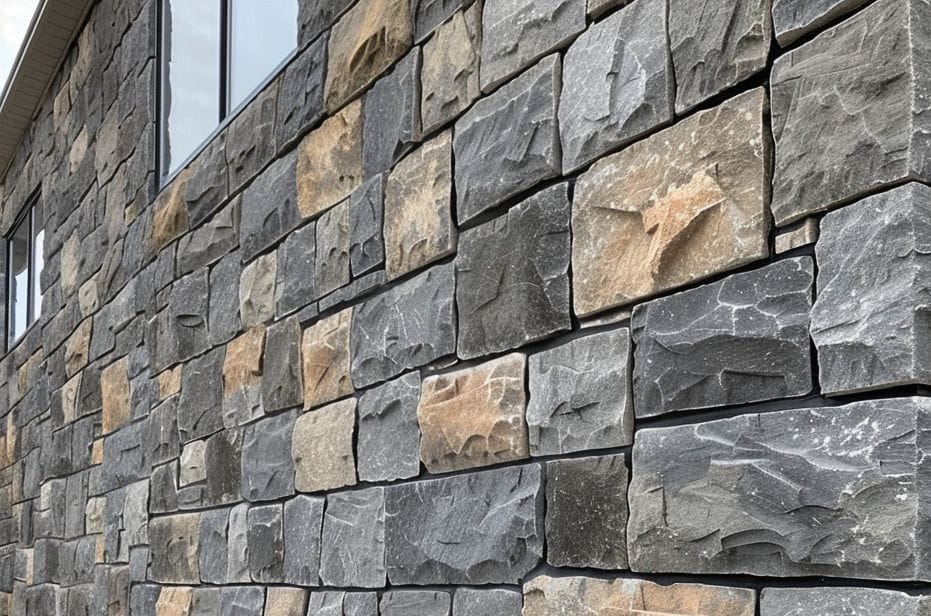
We provide commercial stone masonry in Seattle, WA for building facades, lobbies, and exterior site elements. Our team installs both natural and manufactured stone with consistent joints and anchoring that meet project specs. Elevate your property with durable stonework that welcomes visitors and tenants.
Superior Masonry Seattle provides professional commercial stone masonry throughout Seattle, WA, Washington and the surrounding area. Our licensed, insured crew delivers safe, clean, on-time work with a free estimate before anything begins. Call (425) 270-2577 or request your free quote.
Commercial Stone Masonry in Seattle Built for Heavy Use
Commercial stone masonry is very different from residential work. Loads are higher, traffic is constant, and building inspections are unforgiving. At Superior Masonry Seattle, we focus on stone assemblies that hold up to daily abuse, wet Seattle winters, and strict codes.
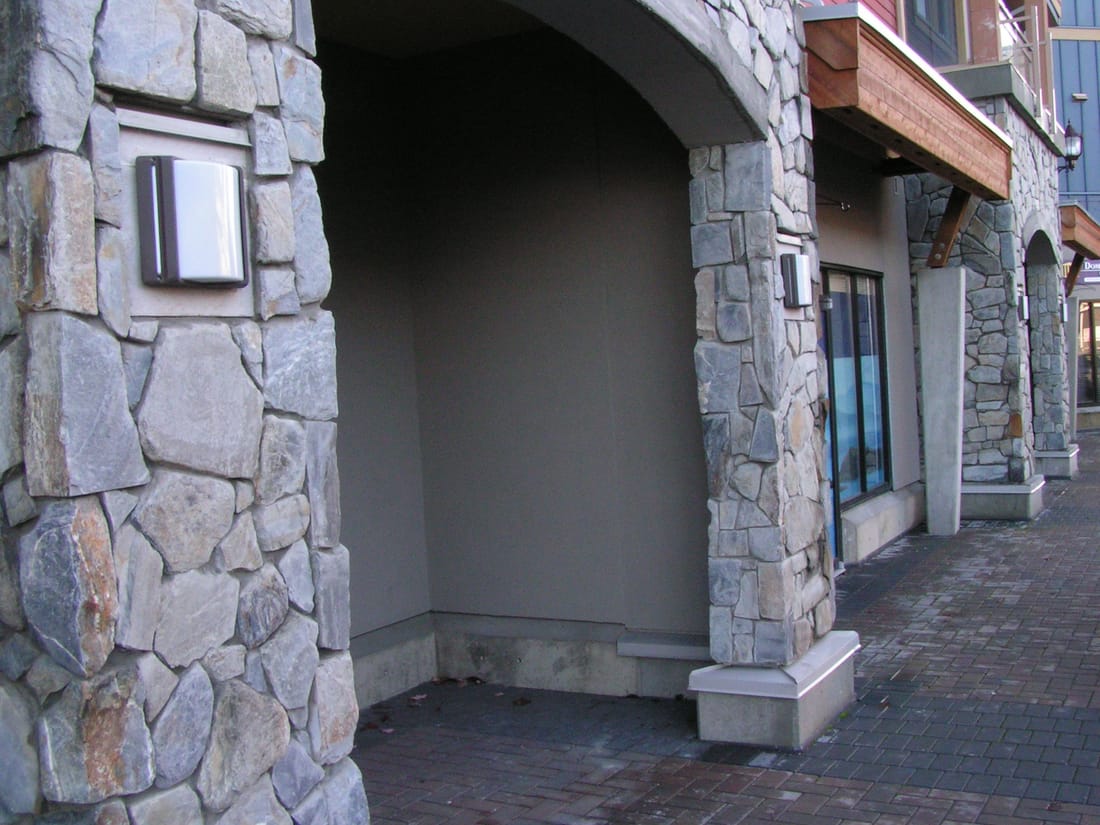
We handle commercial exteriors, stone veneers on concrete or steel, structural stone elements where appropriate, stairways, entries, retaining walls, landscape features, and interior stone in lobbies or amenity spaces. Projects range from small storefront upgrades on Capitol Hill and Ballard to full facade packages for office, retail, and mixed‑use buildings throughout Seattle and nearby cities.
Our crews are used to working around active businesses and tight downtown sites. That means coordinating with property managers, following site safety rules, and sequencing work so you can keep operating while we build or repair your stone assemblies.
How We Approach a Commercial Stone Masonry Project
Every commercial stone masonry job with Superior Masonry Seattle starts with an assessment on site. We document substrate conditions (concrete, CMU, steel framing, backup walls), verify existing waterproofing, and look at drainage paths. For restoration, we review existing cracking, movement, and previous repair methods so we do not repeat what already failed.
Next, we coordinate with your architect or engineer, or provide practical recommendations if you do not have one. For new work, that might mean choosing between full‑bed stone veneer on a structural ledge, thin adhered stone over a rainscreen system, or a combination. For repairs, it might mean stitching and pinning cracked stone, rebuilding failed sections, or re‑anchoring loose veneer to meet current standards.
We then plan logistics: access, scaffolding, hoisting, protection of adjacent finishes, and how to stage material deliveries on tight Seattle streets. On occupied commercial sites, we often work in phases (for example, one elevation or entry at a time) to keep public access open and maintain fire egress.
During construction, our lead mason is on site daily to coordinate with other trades. We track weather closely, adjust mixing and curing for cold or wet conditions, and use temporary protection so mortar and sealants cure correctly in Seattle’s climate. At closeout, we walk the project with you or your representative, review anchoring and joint details, and discuss maintenance so the stone system performs for decades.
Stone Types, Systems, and Design Choices for Commercial Work
Commercial stone masonry in Seattle typically uses one of three approaches: full‑bed natural stone, anchored stone veneer, or thin adhered stone. Each has different costs, weights, and structural requirements.
Full‑bed stone uses thicker units that sit on a structural ledge or foundation. It is durable and allows deeper reliefs, but it increases wall weight. This is common on lower levels, entry plinths, and retaining walls where impact resistance matters. Anchored stone veneer uses thinner stone panels or units mechanically tied back to a backup wall with corrosion resistant anchors. This allows taller facades with less weight and is common on office and mixed‑use buildings.
Thin adhered stone uses lightweight manufactured or natural stone adhered over a lath and mortar or over a rainscreen system. It is more cost‑effective per square foot and reduces structural demands, but requires very careful substrate preparation and moisture management. We explain the pros and cons in terms of your building type, expected wear, and budget.
Material options we commonly install include local granites and basalts, limestone, sandstone, and high quality manufactured stone lines that meet commercial ratings. We talk through slip resistance for stairs and entries, graffiti resistance along street level walls, and color selections that hide Seattle grime and moisture streaking. Our goal is to match the stone system to how your property is actually used, not just how it looks on drawings.
What Drives Cost in Commercial Stone Masonry
The price of a commercial stone masonry project in Seattle is driven by more than just square footage. Stone type, thickness, pattern complexity, anchoring system, and site conditions all matter.
Material choice has the largest impact. Dense natural stone panels or custom cut ashlar patterns cost more than standard modular sizes or quality manufactured veneers. Complex layouts such as radial stairs, detailed banding, or intricate inlays require more layout and cutting time. Vertical work at height with extensive scaffolding is more expensive to install than low retaining walls or first floor cladding.
Existing conditions are another major factor. On older brick or CMU buildings, we may need to remediate failed backup walls, install new flashing, or add sheathing and weather barriers before stone can safely go on. In downtown Seattle, access for lifts or cranes can affect cost because deliveries and staging may need to be scheduled around traffic restrictions.
We give line‑item estimates that separate structure preparation, stone and mortar materials, anchoring hardware, waterproofing components, and labor. That transparency lets owners, GCs, and property managers see where money is going and where design adjustments could save cost without compromising performance.
Seattle Climate, Common Failures, and How We Prevent Them
Commercial stone masonry in Seattle has to handle constant moisture, driving wind off the Sound, and frequent freeze‑thaw cycles in shaded or elevated areas. Many of the failures we repair come from ignoring moisture management and movement.
Typical problems include stone veneer pulling away from the backup wall because of corroded anchors, cracking at floor lines where the structure moves and the stone cannot, efflorescence (white salts) from trapped water, and spalling or flaking on stones that are not suited to repeated wetting and freezing. We also see water intrusion at poorly detailed window heads and parapets, which leads to interior damage and mold.
Superior Masonry Seattle addresses these issues by focusing on drainage and flexibility. We insist on proper flashing at base of walls, window and door heads, shelf angles, and parapets, and we ensure that weep paths are clear so water can exit instead of staying behind the stone. We use control and expansion joints sized and located to handle building movement, and we choose mortars and sealants compatible with both the stone and the Seattle climate.
On repair projects, we do not just patch the visible damage. We open small exploratory sections as needed to check anchor condition, backing integrity, and moisture paths, then design a repair scope that addresses root causes. This approach prevents you from paying for the same problem again in a few years.
Working With Superior Masonry Seattle on Your Next Commercial Project
When you bring Superior Masonry Seattle into a commercial project, we act as a trade partner, not just a subcontractor. For new builds, we review drawings and details early, flag potential conflicts with structural elements or waterproofing, and offer constructible alternatives before they show up as delays on site. For renovations and tenant improvements, we help you prioritize what must be rebuilt versus what can be safely repaired.
We are familiar with City of Seattle requirements, typical inspection points, and coordination with third party envelope consultants that many commercial owners use. We keep documentation for anchor systems, mortar and grout mixes, and installed flashing materials, which can be important for warranty and future resale.
Our crews carry appropriate safety training for commercial sites and follow GC safety plans, including fall protection, silica exposure controls when cutting stone, and public protection around sidewalks and entries. We understand that tenants, customers, and staff still need to move through the building while work is going on, so we set up clear barriers, signage, and temporary access routes.
If you are planning a new development, upgrading an older facade, or dealing with a stone failure that is worrying your insurance or risk team, Superior Masonry Seattle can walk the site, provide practical options, and give you realistic numbers and timelines so you can plan with confidence.