Home › Masonry Restoration and Historic Preservation
We provide historic masonry restoration in Seattle, WA for landmark brick and stone buildings. Our team carefully documents existing conditions, sources compatible materials, and uses techniques that respect original craftsmanship. Preserve the character and integrity of your property while addressing safety and water concerns.
Superior Masonry Seattle provides professional historic masonry restoration throughout Seattle, WA, Washington and the surrounding area. Our licensed, insured crew delivers safe, clean, on-time work with a free estimate before anything begins. Call (425) 270-2577 or request your free quote.
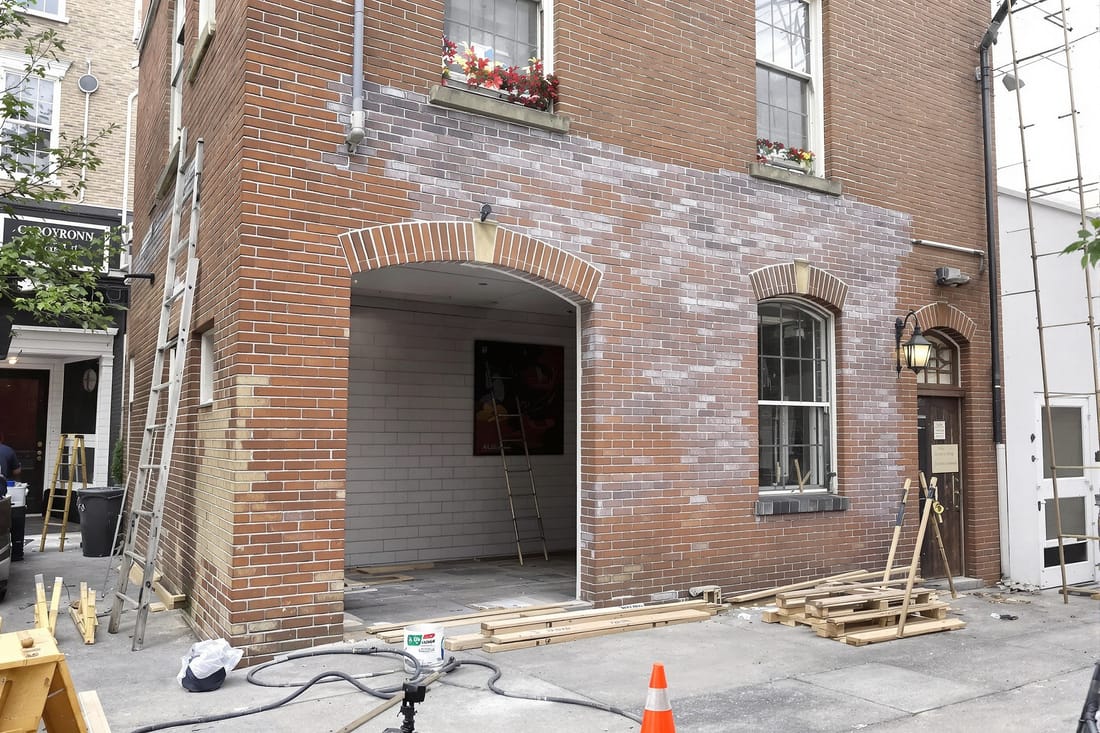
Thoughtful Historic Masonry Restoration in Seattle
Superior Masonry Seattle focuses on historic masonry restoration that respects the original character of your building while solving real structural and moisture problems. Many older homes and commercial buildings in Seattle were built with soft clay brick, early concrete block, or stone that behaves very differently from modern materials. Treating them like new construction often causes more damage over time.
When we evaluate a historic property, we look at how the masonry has aged in our specific climate: wind-driven rain, frequent freeze-thaw cycles in winter, and salt exposure near Puget Sound. We document issues like spalling brick faces, crumbling mortar joints, hairline settlement cracks, loose chimney caps, and past repairs that used incompatible materials. Our goal is to stabilize the structure, stop water entry, and restore the appearance without erasing the building’s history.
Every project begins with a detailed site visit. We photograph key areas, note changes in brick color or hardness, check mortar depth and consistency, and look for signs of trapped moisture behind the wall, such as efflorescence (white staining) or soft, punky mortar. From there, we propose a restoration plan that matches original materials as closely as practical and stages the work so that critical weather-sensitive items are handled in the right season.
How We Match Historic Brick, Stone, and Mortar
Historic masonry restoration relies on compatibility. If the new mortar is stronger and less breathable than the original brick or stone, Seattle’s constant moisture will push damage into the masonry units instead of the joints, which are meant to be sacrificial.
Superior Masonry Seattle begins with mortar analysis. We look at color, texture, aggregate size, and hardness, and when appropriate we perform simple field tests to confirm that older mortar is lime rich and lower in Portland cement. We then design a repair mix that is softer and more vapor permeable than the surrounding masonry so it can flex and release moisture instead of cracking the brick.
For brick and stone replacement, we check local salvage yards, regional suppliers, and occasionally custom fabrication to find units that match the original in size, color range, and surface finish. Many Seattle neighborhoods, such as Capitol Hill and Wallingford, have distinctive brick tones. Using a standard modern brick would stand out sharply. We carefully blend new bricks through the repair area so that no single patch looks like an obvious insert.
We also replicate historic joint profiles, such as concave, grapevine, flush, or slightly raked joints that were common in early 20th century construction. The joint shape affects how water sheds off the wall, so copying the original detail is not only aesthetic, it is part of weather protection.
Step-by-Step Masonry Restoration Process
Our restoration work follows a clear, methodical process so you understand what is happening at each stage.
1. Assessment and documentation: We inspect all accessible masonry, including basements, chimneys, parapets, and foundation walls, and record existing conditions with photos and notes. If you have original drawings or historic photos, we review them to understand what has changed.
2. Prioritized scope: We separate critical items (active water leaks, structural cracks, loose masonry over entries or sidewalks) from long-term improvements (aesthetic repointing, cleaning, or re-anchoring bulged areas). This helps you phase the work if needed.
3. Protection and setup: We install scaffolding or lifts, protect landscaping and walkways, and set up dust control. On occupied buildings, we coordinate with tenants or staff so access and noise are predictable.
4. Careful removal of damaged materials: We remove failing mortar by hand with chisels or low-vibration tools, staying within the joints to avoid chipping the bricks. For brick or stone replacement, we cut out only what is cracked or spalled, leaving as much sound original material as possible.
5. Repointing and rebuilding: We repoint joints in small sections so the mortar cures properly in our climate. For chimneys or parapets that have shifted, we rebuild the top courses and install proper flashing and caps to prevent future saturation from above.
6. Cleaning and finishing: When cleaning historic masonry, we avoid harsh sandblasting that can permanently damage brick faces. Instead, we use low-pressure water, masonry-specific detergents, or gentle chemical poultices to remove staining. The goal is to reveal the original texture, not make the wall look brand new.
7. Final inspection and maintenance plan: We walk the building with you, review the repairs, and point out any remaining areas to monitor. We also recommend a reasonable inspection schedule, typically every few years in exposed locations like West Seattle and Ballard that see more wind-driven rain.
Seattle Climate Challenges and Seasonal Timing
Seattle’s weather is a major factor in historic masonry restoration. If work is done in the wrong conditions, mortar can fail to cure correctly, sealants may not bond, and water can get trapped behind new repairs.
In our wet fall and winter months, exposed masonry absorbs significant moisture. If temperatures drop below freezing overnight, that water expands, leading to spalling brick faces and widening cracks. Superior Masonry Seattle often schedules major repointing and rebuilding from late spring through early fall, when temperatures are more stable and walls can dry between rain events. During wetter months, we focus on emergency stabilization, targeted leak repairs, and interior foundation work where conditions are more controllable.
We use temporary weather protection like tarps, rain screens, and heated enclosures when a project must proceed in shoulder seasons. Mortar selection is also climate-driven. We avoid mixes that cure too quickly or too slowly in cool, damp conditions and may adjust set times to fit the actual forecast. On waterfront properties in neighborhoods like Alki or along the Ship Canal, we plan for additional salt exposure and wind-driven rain by paying special attention to parapets, sills, and chimney crowns that see the harshest weather.
For owners, it is helpful to know that some stains or white efflorescence may fade naturally after we correct water entry, while other discoloration will need cleaning or cosmetic repair. We will explain what you can expect visually over the months after restoration, especially through one full rainy season.
Common Historic Masonry Problems We Fix
Seattle’s historic buildings tend to show a few recurring masonry problems, many caused by well-intended but incompatible past repairs.
One frequent issue is hard Portland cement mortar applied over older soft brick. This type of mortar does not flex or breathe like lime-based mixes, so cracks form along the edges of the bricks and the brick faces start to pop off. Our solution is to carefully remove the hard mortar, repair or replace damaged bricks, and repoint with a more compatible lime rich mortar.
Another common issue is water infiltration at chimneys, parapets, and window heads. We see cracked crowns, missing or failed flashing, and open vertical joints at corners. Superior Masonry Seattle repairs these by rebuilding loose courses, installing new metal flashing, and, where appropriate, adding properly detailed through-wall flashing and weep systems that did not exist in the original construction.
Bulging or leaning walls can result from long-term moisture saturation or deteriorated anchors. In these cases, we may use helical wall ties or other anchoring systems that stabilize the masonry without drastically altering the facade. We coordinate closely with structural engineers when needed, especially on multi-story brick apartment buildings.
We also address interior issues like flaking or damp foundation walls in basements. While this often involves drainage improvements, the masonry itself may need repointing, crack repair, or breathable coatings instead of the impermeable paints that tend to trap moisture in the wall.
What Influences Cost and Timeline
Historic masonry restoration costs vary widely because two buildings that look similar from the street can have very different underlying conditions. Superior Masonry Seattle is transparent about the factors that affect your budget and schedule.
Access is a major driver. A three-story brick facade on a sloped Seattle lot may require scaffolding, lifts, or complex tie-offs, whereas a one-story storefront along a flat sidewalk can be reached more easily. The amount of hand work is another factor; careful mortar removal in fragile brick takes more time than working on harder, more uniform units.
Material matching can add cost, especially if we need to source reclaimed brick or custom stone. However, investing in proper matches usually pays off in long-term value and appearance. Scope of repair also matters: addressing only the worst joints may be cheaper short term, but if the surrounding mortar is near the end of its life, it can be more cost-effective to repoint larger areas all at once.
Timeline is influenced by weather windows, drying times, and coordination with other trades, such as roofers or window installers. On occupied buildings, we may phase work to minimize impact, which can extend the calendar duration even when the total labor hours stay the same.
We provide written proposals that break down key cost components, explain where you have options, and note any items that might change if hidden conditions are discovered once work starts. This helps you prioritize essential structural and water management repairs while planning future aesthetic upgrades.
Why Seattle Owners Choose Superior Masonry Seattle
Historic masonry restoration is not just construction, it is stewardship of part of Seattle’s story. Superior Masonry Seattle is a locally rooted company, and our team has worked on early 1900s homes on Queen Anne, mid-century brick apartments in the University District, and pre-war commercial buildings in Pioneer Square and along Rainier Avenue.
We focus on preserving as much original fabric as possible, rather than defaulting to full replacement. Our crews are trained to recognize original brick patterns, decorative accents, and historic pointing styles so those details are not lost during repair. When we must introduce new materials, we do so selectively and document what changed, which can be useful for future maintenance and for owners of designated historic properties.
Communication is central to our approach. We explain, in plain language, why certain cracks are urgent and others are cosmetic, what the likely lifespan of each repair is in Seattle’s climate, and how ongoing maintenance such as gutter cleaning and vegetation control affects your masonry. Whether you are a homeowner caring for a single brick chimney or a property manager responsible for a block-long facade, we tailor our recommendations to your budget and long-term plans.
If you are considering historic masonry restoration, we invite you to schedule an on-site consultation. We will walk your property together, discuss practical options, and help you choose a restoration plan that respects your building’s history while making it safer and more resilient for the years ahead.